
Craps game for Beginners

Craps is one of the liveliest games on any casino floor, yet the crowded table and quick jargon can feel overwhelming at the start betoranjescasino.nl. We aim to remove that bewilderment and provide beginners a solid, clear comprehension of the game’s mechanics, the meaning of key bets, and how a round progresses from the first roll to the last payout. This guide walks through the layout, the dice, the essential wagers, and the manners that keeps the game flowing. Once the core concepts are clear, we also look at what it is like to play craps in a digital casino environment such as Betoranje Casino, where the identical rules hold but the experience is defined by online ease, secure banking, and constant access. No previous experience is required, just the readiness to track the sequence of a roll and the reasoning for each choice.
Odds Wagers: The Unmatched Value Behind the Line
After a point is set on a come-out or come bet, the player may add an extra bet behind the initial wager, referred to as taking odds. This is the single bet in the entire casino that has a house edge of zero percent exactly. The odds bet is paid at true mathematical odds, so the payout perfectly reflects the chance of the point being rolled before a seven. For a point of four or ten, the odds bet pays two to one; for five or nine, it pays three to two; for six or eight, it pays six to five. Because the casino collects no commission and has no inherent edge on this wager, the total house edge on a pass line bet paired with odds falls markedly. The more a player is allowed to wager in odds compared to the original bet, the smaller the real cost of the total action.
Different casinos establish distinct limits on odds multiples. It is typical to see three, four, or five times odds, often expressed as 3x-4x-5x odds, signifying a player can bet up to three times the pass line bet on a point of four or ten, four times on five or nine, and five times on six or eight. Some venues offer ten times odds or even higher, though such generous limits are typically found in competitive markets. New players should always verify the specific rules of the table before sitting down, because the odds multiple directly affects the long-term value of their play. In an online setting like Betoranje Casino, the permitted odds are usually displayed clearly in the game rules or interface, removing any guesswork. We recommend that beginners start with single odds, simply doubling their pass line bet after a point is set, and gradually increase the multiple as their comfort and bankroll allow.
As for don’t pass and don’t come bettors, the equivalent is laying odds, which functions in reverse. Because a seven is more likely than any individual point, the player must bet more to win less. Laying odds on a point of four or ten demands a bet of two units to win one, on five or nine a bet of three units to win two, and on six or eight a bet of six units to win five. The zero house edge still applies, and the effective cost of the don’t pass bet with full odds becomes extremely low. The key practical point is that odds bets do not require to be placed at all, but when they are, they lower the blended house advantage on the combined wager. This is the single most effective mathematical tool accessible to a craps player, and grasping it transforms the game from a gamble into a more calculated form of entertainment.
The Architecture of the Craps Table and the Purpose of the Dice
Upon approaching a craps table, whether at a brick-and-mortar casino or through a high-definition live stream, the layout appears split into two mirrored halves. This arrangement exists so that players standing on either side can read the betting areas comfortably. The center section holds proposition bets that are resolved in a single roll, while the sides display the pass line, don’t pass bar, come, don’t come, and the numbered place bets. The table is operated by a crew of dealers, a stickperson who moves the dice with a long stick, and a boxperson who oversees the bankroll. Knowing this layout helps new players locate the most important betting https://www.ad.nl/nieuws/amsterdam-verliest-holland-casino-mag-24-uur-per-dag-open~aaf933c0/ zones without feeling lost. The cubes themselves are precision-manufactured cubes with sharp edges, each side drilled with spots that are filled with a contrasting material to ensure equal weight distribution. Casinos regularly inspect and replace dice to maintain randomness and prevent wear that could influence outcomes.

This game revolves around two standard six-sided dice, offering thirty-six possible combinations. The probability of rolling a specific total is not uniform: a seven can appear in six ways, rendering it the most frequent outcome, while a two or twelve appears only once. This mathematical backbone shapes every betting decision. For example, the pass line bet wins immediately on a come-out roll of seven or eleven because those numbers are relatively common, while a two, three, or twelve loses because they are rare. If a point number is established, the odds shift, and the shooter must repeat that point before a seven appears. The table’s felt displays the point numbers in large boxes, and the dealer places a puck on the corresponding number to remind everyone of the current objective. Learning how the table visually tracks the game state is one of the first skills a newcomer can develop, as it removes the need to memorize every roll.
Behind the felt and the chips, the entire game is governed by a strict set of procedures designed to protect both the house and the players. The dice must hit the back wall of the table to be considered a valid roll, a rule that prevents controlled sliding or short throws. In an online live dealer setting, the same principle is maintained through camera angles and dealer protocols that ensure transparency. The stickperson announces each result clearly, and the dealers settle bets in a specific order to avoid disputes. We find that once a player understands the table’s physical logic and the dealer’s rhythm, the game stops looking chaotic and starts resembling a well-choreographed sequence. This familiarity is the foundation on which all betting strategies are built, and it makes the learning curve much shorter than it initially appears.
Craps Etiquette and the Pace of Live Dealer Play
Craps has a rich social culture that is highly visible at a live table, and while online play reduces some of the physical interactions, the etiquette still applies in a live dealer stream. The shooter is supposed to handle the dice with one hand and toss them in a single motion so they bounce off the back wall. Players should steer clear of placing their hands inside the table when the dice are about to be thrown, and late bets are typically not accepted once the stickperson has pushed the dice toward the shooter. When buying in, it is customary to wait until the current round finishes and then place cash on the layout rather than handing it directly to a dealer, who will then exchange it for chips. These small customs maintain the game moving and prevent misunderstandings that can slow down the pace for everyone.
Verbal bets in the center of the table are announced to the stickperson, who then places them on the layout. A player might say “two-way hard eight” to bet on a hard eight for both themselves and the dealers, a gesture of goodwill that is typical among regulars. Tipping the dealers is not mandatory but is appreciated, and it can be done by placing a bet on their behalf or by simply passing a chip. In a live online environment, the chat function often substitutes for spoken words, but the same principles of clarity and patience hold true. Dealers in a live stream value when players place bets in a timely manner and avoid ambiguous instructions. The rhythm of the game hinges on everyone knowing what they want before the dice are in the air.
We also want to address the emotional side of the table. Craps is a group game, and a hot shooter can generate genuine excitement. It is entirely acceptable to cheer a winning roll, but it is considered poor form to celebrate a seven-out when holding don’t pass bets, because most of the table is losing money at that moment. Keeping a low profile on the dark side is a sign of respect. New players who follow these unwritten rules quickly find themselves like part of the group rather than outsiders. The etiquette is not about strict formality; it is about upholding a shared experience that boosts the entertainment value for everyone involved, whether they are standing at a felt table or watching a high-definition feed from their living room.
The Pass bet and Don’t Pass wager: The Two Cornerstones of Any Round
The pass line wager is the most straightforward entry point and the bet most beginners choose. It is set before the come out roll, the first throw of a fresh round. When the shooter throws a seven or eleven, pass line bets pay even money right away. When the shooter throws a two, three, or twelve — together known as “craps” — pass line bets fail. Any other number that comes up, namely four, five, six, eight, nine, or ten, becomes the point. When a point is determined, the pass bet continues and pays only if the shooter rolls that same point number again before a seven comes. If a seven comes first, the pass line loses and the turn finishes. This simple conditional structure provides the pass wager a house edge of just 1.41 percent, making it one of the best bets for players in the entire casino.
The don’t pass bet is the mathematical inverse, and though it is sometimes called “dark-side” betting, it is a completely valid choice with an marginally lower house edge of 1.36 percent. On the come-out roll, a don’t pass bet wins if the shooter rolls a two or three, loses on a seven or eleven, and pushes — meaning no money changes hands — on a twelve. The push on twelve is the mechanism that creates the house advantage for this bet, because without it the player would have a mathematical edge. Once a point is set, the don’t pass bet wins if a seven appears before the point is repeated, and loses if the point comes first. New players often hesitate to bet don’t pass because it goes against the shooter and the general celebratory mood of the table, but it is a calm, low-volatility way to participate without relying on a hot streak. In online play, where social pressure is absent, the don’t pass becomes an even more practical option.
We should note that both bets remain on the table until the round finishes, and neither can be canceled or lowered once a point is determined. This commitment is what makes the game stressful and exciting during a long roll. The pass line and don’t pass are the cornerstones of the craps strategy universe, and virtually every other bet either supplements them or substitutes for for players who seek more action. When we watch experienced players, we often notice them combine one of these line bets with an odds bet, which we will explore later, because that combination reduces the overall cost of play while maintaining the potential payout appealing. For a beginner, learning the pass line and knowing its opposite is the single most important step toward feeling comfortable at the table, and it requires no more than a few minutes of observation to see the pattern repeat.
High-Risk Proposition Bets: Single and Multi-Roll: Risky, Fast Choices
In the center of the table lies a set of bets that conclude in a single throw or a limited number of rolls, and these are collectively known as proposition bets. They are called to the dealer or set directly, depending on the casino’s procedures. The field bet is the easiest of this group. It pays if the next roll is a two, three, four, nine, ten, eleven, or twelve, and loses on five, six, seven, or eight. Some layouts pay double on a two and treble on a twelve, while others provide different multiples, but the house edge usually sits between 2.78 percent and 5.56 percent based on the exact paytable. The field bet is fast and simple, but its greater house edge compared to line bets means it should be treated as a small additional bet rather than a core strategy.
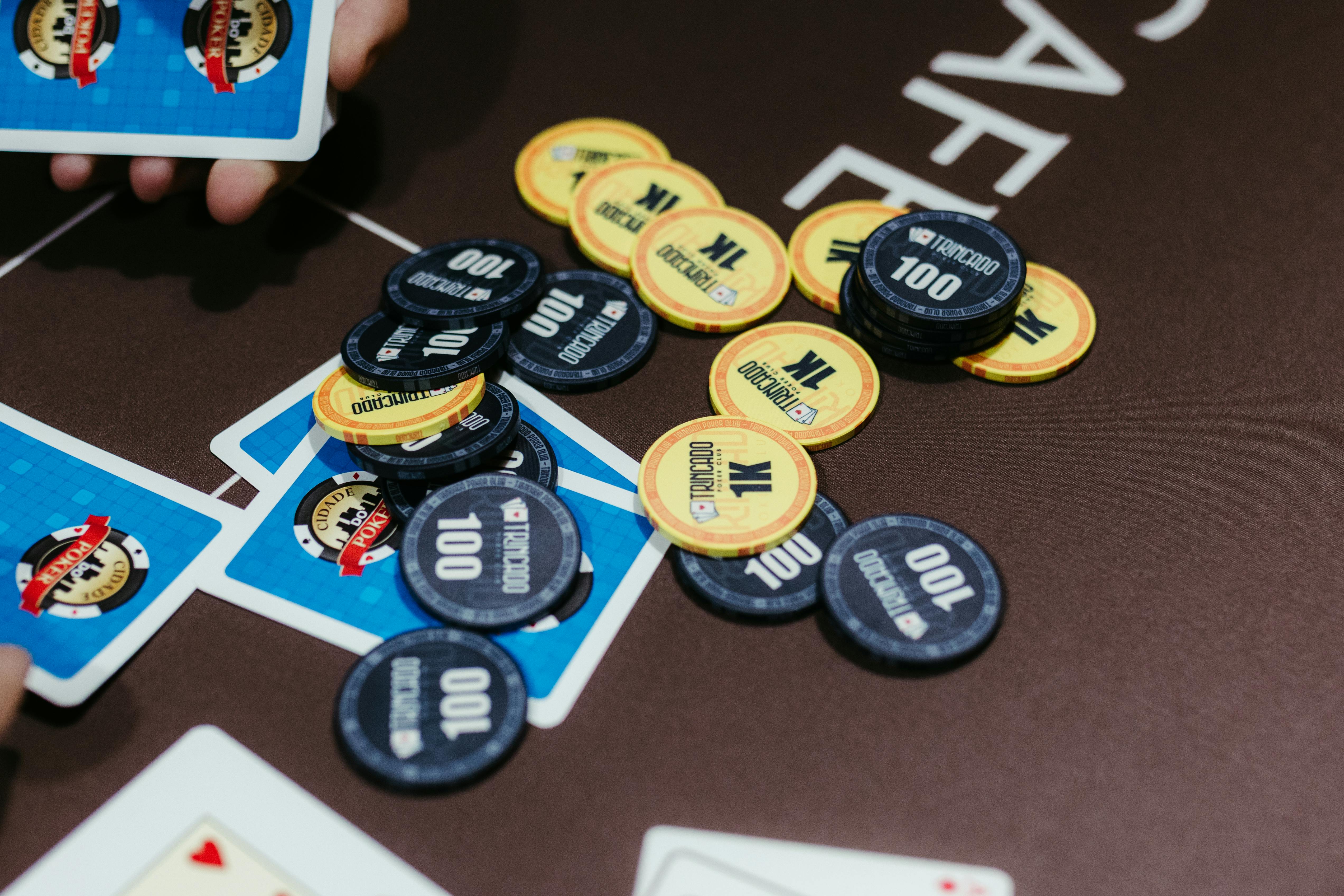
Other instant bets include any craps, any seven, and the horn bet, which covers the two, three, eleven, and twelve simultaneously. These wagers carry house edges that can reach well into double digits. For example, the any seven bet pays four to one, but the true odds of rolling a seven are five to one, producing a house edge of 16.67 percent. We mention these numbers not to discourage play but to make sure new players understand what they are paying for the thrill of an instant outcome. The hardways are a different category: a bet that a specific pair will be rolled before a seven or before that same total appears in any other combination. A hard six, for instance, wins if a three-three appears before a seven or before a six made of four-two or five-one. Hardway bets stay on the table until they win or lose, and their house edges range from about 9 percent to 11 percent.
To put the proposition landscape into perspective, we can group the most common bets by their typical house advantage, so a new player can quickly gauge the cost of each option:
- Pass line bet / come (no odds): 1.41 percent
- Don’t pass bet / don’t come (no odds): 1.36 percent
- Place wager on six or eight: 1.52 percent
- Field wager (with triple twelve): 2.78 percent
- Hardway six or eight: 9.09 percent
- Any seven: 16.67 percent
This overview illustrates why experienced players center their bankroll on the low-edge bets and utilize proposition wagers sparingly, if at all. The appeal of a high-risk win is unquestionable, but the mathematical erosion of regular proposition betting is similarly real. A measured approach preserves the game enjoyable without turning a session into a quick drain on funds.
Come and Don’t Come Betting Extending the Line Concept Mid-Round
When a point is determined, the pass line is frozen, and players who want additional wagers that function like a fresh pass line can use the come bet. A come bet is positioned in the designated area, and the very next roll functions as its own personal come-out roll. If that next roll is a seven or eleven, the come bet wins even money. If it shows a two, three, or twelve, the come bet forfeits. Any other number turns into the come bet’s individual point, and the dealer shifts the chips to that number’s box on the layout. From that moment, the come bet succeeds if its point hits before a seven, and is lost if a seven shows first. This mechanism lets a player keep multiple numbers active at the same time, each acting as a separate pass line contract. bekijk details It offers a refined method to distribute risk across several point numbers without having to wait for a fresh round.
The don’t come wager reflects the don’t pass approach but uses it for a roll that happens after the come-out. Set in the don’t come box, it wins on a two or three, loses on a seven or eleven, and is a push on a twelve. If a point number is rolled, the bet moves behind that number on the layout, and it wins if a seven comes up before that specific point is repeated. Many players use don’t come bets to create a defensive wall of numbers that return when the shooter eventually craps out. Because a seven is mathematically the most likely individual outcome, having multiple don’t come points in play can produce a steady stream of small wins during a cold table. The compromise is that a hot shooter who consistently hits points will eliminate those don’t come bets one by one, so the plan demands patience and a acceptance for short-term losses.
Come and don’t come bets offer the same low house edges as their pass line counterparts, given that no additional wagers are attached. They also allow players to take odds, which we will discuss in detail, and this is where the real value lies. One common misunderstanding among beginners is that come bets must be placed on every roll. There is no such requirement. A player can sit out rolls, wait for a trend, or simply stick to the pass line. The flexibility of the come area is one of craps’ underappreciated strengths, because it lets each participant control their own exposure to risk without affecting the shooter or the flow of the game. In a digital environment like Betoranje Casino, where the interface clearly highlights active come points, this layered betting structure becomes even easier to manage than at a crowded physical table.
Rolling Craps at Betoranje Casino: What to Expect as a New Player
As we shift from theory to practice, the setting where we play is important just as much as the rules we have learned. Betoranje Casino provides craps within a larger platform that offers slots, roulette, blackjack, and a full live casino section. First-time players typically begin by creating an account, a step that requires basic personal details and age verification in line with Dutch responsible gambling standards. Once registered, the cashier shows a variety of payment methods tailored to local preferences, like iDEAL, credit and debit cards, e-wallets, and bank transfers. Deposit processing is typically instant for most methods, while withdrawal times differ: e-wallet payouts can be completed within a few hours to one business day, card withdrawals often require two to three business days, and bank transfers may require up to five business days. Specific timelines are always displayed in the cashier section, and we recommend reviewing them before requesting a payout.
The craps gameplay at Betoranje Casino is offered through a digital interface that simulates the classic table layout with crisp graphics and intuitive bet placement. For players who choose a human touch, the live dealer version broadcasts a real table with professional croupiers, multiple camera angles, and a chat function that allows interaction. The same pass line, don’t pass, come, and odds bets are accessible, and the interface clearly shows the point number, active bets, and payout amounts after each roll. Because the platform is constructed on responsive technology, the game adjusts seamlessly to desktop, tablet, and smartphone screens without demanding a separate application download. We have discovered that the mobile version retains all functionality, including the ability to place odds bets with a single tap, which makes it easy to play a few rounds during a commute or a break.
Protection and integrity are foundational. Betoranje Casino functions under a licensed gambling license, which enforces regular audits of its random number generator for digital games and strict compliance for live dealer operations. All transactions are safeguarded by SSL encryption, and the platform promotes responsible gambling tools such as deposit limits, session reminders, and self-exclusion options. While we cannot quote a specific license number here, the details are listed on the official website and can be checked independently. New players are often received with a welcome package that may include a deposit match bonus and free spins on selected slots, though the exact terms, wagering requirements, and game eligibility change over time. We always suggest reading the current promotional conditions on the site before claiming any offer, because bonus funds may be limited from certain table games or contribute at a lower rate toward wagering requirements.
What genuinely sets the experience apart is the combination of a targeted game library, local payment support, and a user interface that does not intimidate the newcomer. Craps sits alongside many other table games and a multitude of slots, but the navigation makes it simple to jump right to the dice without scrolling through infinite categories. The platform’s design emphasizes clarity, with game rules accessible from within each title and a help section that responds to common questions. For a new player who has just absorbed the rules of craps, this means the transition from learning to playing is smooth and free of needless friction. The table limits are shown before joining, allowing players to choose a stake level that fits their comfort zone. Whether we are placing a simple pass line bet with single odds or testing come bets across multiple numbers, the interface responds instantly and keeps a clear record of the session history.
